
Why ROAS Drops When You Scale Meta Ads
Home Table of Contents
How to Scale a D2C Brand from ₹5L to ₹20L in Monthly Sales: A Founder’s Step-by-Step Scaling Framework

Why Most D2C Brands Get Stuck Between ₹5L and ₹10L/Month 1. Revenue Is Growing Faster Than Profitability Many founders celebrate increasing revenue while overlooking the economics that actually determine whether the business can scale. It’s easy to optimize for dashboard metrics like ROAS, total sales, or order volume. But those numbers don’t tell you how much cash the business is actually generating after accounting for shipping costs, payment gateway fees, discounts, returns, packaging, and operational expenses. A brand may grow from ₹5 lakh to ₹8 lakh in monthly revenue, yet generate less profit than before because contribution margins continue to shrink. Scaling a business with weak unit economics is like pouring more water into a leaking bucket. Higher ad spend may increase revenue, but it also amplifies inefficiencies that were already present. Healthy scaling starts with ensuring every additional order contributes positively to the business—not just to the revenue dashboard. 2. Every Month Starts From Zero Customer acquisition is expensive. Treating every sale as a one-time transaction makes it even more expensive. One of the biggest differences between brands that plateau and brands that scale is their ability to generate revenue from existing customers. Yet many businesses operating between ₹5 lakh and ₹10 lakh in monthly revenue have repeat purchase rates of only 10% to 30%. The consequence is simple. Every new month demands another round of advertising just to replace last month’s customers before any real growth can happen. Without strong retention systems—such as lifecycle email flows, WhatsApp marketing, loyalty programs, subscription models, or effective post-purchase communication—the business becomes trapped in an acquisition-first cycle where growth depends entirely on continuously increasing ad spend. The brands that scale most efficiently don’t just acquire more customers. They extract more lifetime value from every customer they already have. 3. The Founder Becomes the Bottleneck At the ₹5 lakh stage, founder involvement is often a competitive advantage. At the ₹20 lakh stage, it becomes a limitation. Many founders are still approving creatives, responding to customer support, coordinating with suppliers, managing inventory, reviewing campaigns, hiring freelancers, and solving operational issues every single day. The business grows, but the operating model doesn’t. Without documented processes, clear ownership, and repeatable systems, every decision flows back to the founder. Eventually, growth slows—not because demand disappears, but because the business cannot execute consistently at a larger scale. Scalable brands aren’t built on founders working longer hours. They’re built on systems that continue delivering results even when the founder isn’t involved in every decision. The brands that successfully move from ₹5 lakh to ₹20 lakh don’t solve these challenges one at a time. They build stronger unit economics, increase customer lifetime value, and create operational systems in parallel. Once these foundations are in place, increasing marketing spend becomes far more predictable—and far more profitable. Every brand has a bottleneck. The problem is that most founders assume they already know what it is. When sales slow down, the immediate reaction is often to blame Meta Ads, increase the advertising budget, or launch new creatives. While those actions might temporarily improve performance, they rarely solve the underlying issue. Scaling becomes much easier when you stop asking, “How do I increase sales?” and start asking, “What’s preventing the business from growing?” One of the simplest ways to answer that question is by evaluating the customer journey from acquisition to repeat purchase. At each stage, ask whether the business is performing well enough to support the next level of growth. How to Identify Your Growth Bottlenecks 1. Traffic: Are Enough Qualified Customers Finding You? No brand can scale without a consistent flow of qualified traffic. Look beyond the number of visitors and focus on where they’re coming from. Are you overly dependent on a single acquisition channel? Has your audience become saturated? Are your creatives still attracting new customer segments, or are you repeatedly targeting the same people? If traffic isn’t growing sustainably, the rest of the funnel has very little room to improve. 2. Conversion Rate: Are Visitors Becoming Customers? A healthy amount of traffic doesn’t automatically translate into sales. If people are clicking your ads but not purchasing, the issue may lie in your website experience, product positioning, pricing, trust signals, or checkout flow. Before increasing your ad spend, make sure your store is converting the traffic you already have as efficiently as possible. 3. Average Order Value (AOV): Are Customers Buying Enough? Acquiring a customer is expensive. Increasing the amount they spend on each order is often one of the fastest ways to improve profitability without increasing acquisition costs. Bundling complementary products, offering volume discounts, introducing premium product variants, and optimizing upsell opportunities can significantly improve AOV while maintaining a healthy customer experience. 4. Repeat Purchase Rate: Are Customers Coming Back? One-time purchases create revenue. Repeat purchases build sustainable businesses. If customers rarely return after their first order, your growth becomes heavily dependent on continuously acquiring new buyers. That usually leads to rising customer acquisition costs and slower profitability over time. Strong retention strategies—including email automation, WhatsApp marketing, loyalty programs, subscriptions, and post-purchase engagement—help increase customer lifetime value and reduce reliance on paid acquisition. 5. MER & Profitability: Is Growth Actually Creating More Profit? Higher revenue doesn’t always mean a healthier business. Instead of evaluating marketing channels in isolation, look at the overall profitability of the business. Metrics like Marketing Efficiency Ratio (MER), contribution margin, and net profit provide a much clearer picture of whether your growth is financially sustainable. If increasing ad spend consistently reduces profitability, the bottleneck is unlikely to be your advertising platform. It’s more likely to be your business economics. 6. Inventory & Fulfilment: Can Operations Support More Demand? Marketing can only scale as fast as operations allow. Frequent stockouts, delayed deliveries, inaccurate inventory forecasting, or inefficient fulfilment processes create poor customer experiences and limit repeat purchases. Even the best-performing marketing campaigns struggle when operational systems can’t keep up with increasing order volumes. Operational readiness is often an overlooked growth lever, especially for brands
How to Optimise Your Website for SEO & Attract Customers?
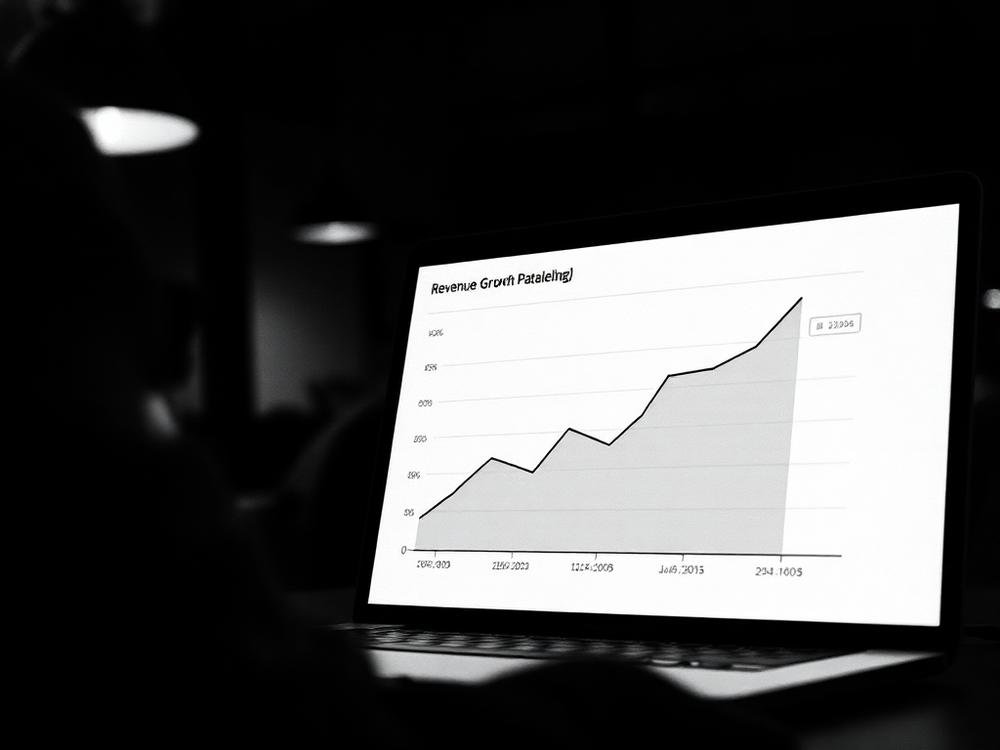
Local SEO isn’t just for high street shops and coffee houses. Any business serving a specific area can benefit from stronger local search visibility. Whether
How to Make Customers Choose You Over Competitors?
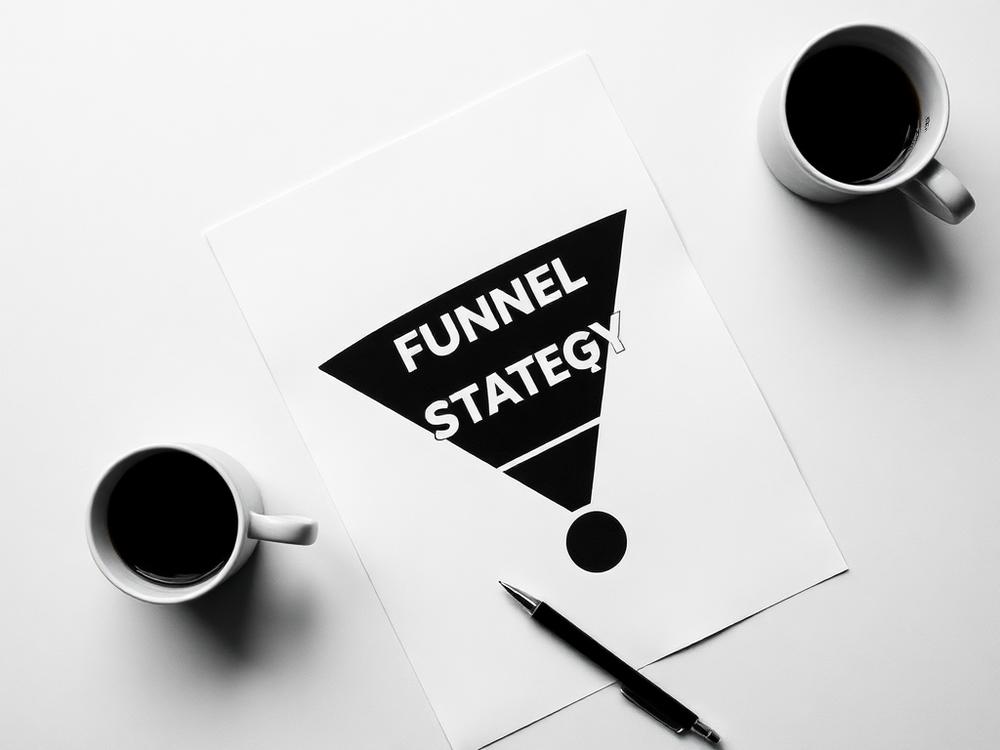
Customers don’t always choose the best product – they choose the one that feels right. That’s what brand positioning is all about. It’s the space your business